
Crystallisation and Particle Studies Systems
Solubility curves and metastable zone width across eight reactors at once, and real-time detection of dissolution and nucleation from 3 mL to over 10 L. One monitoring technology, at whichever scale you are working.
CrystalSCAN — parallel screening platform
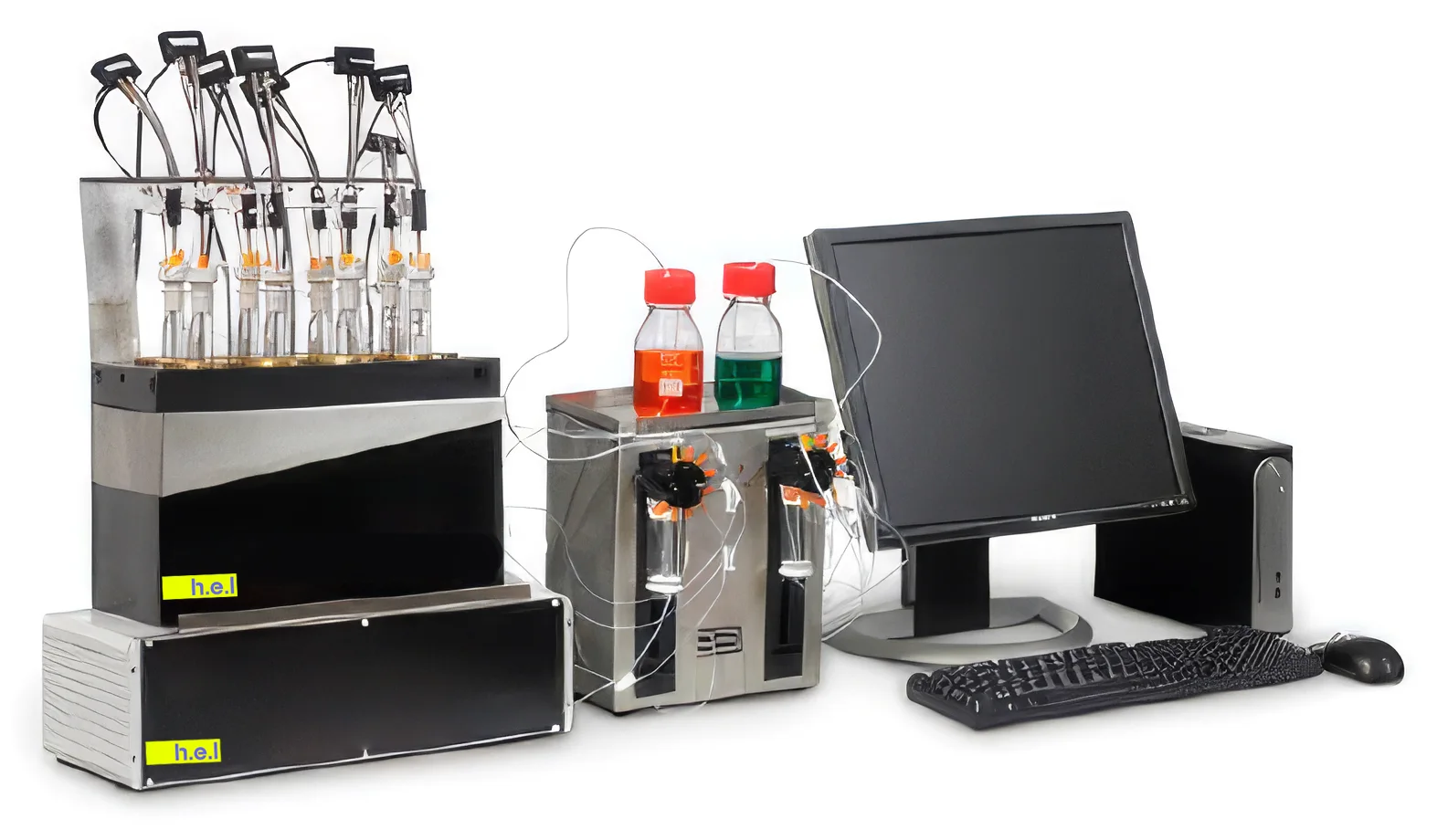
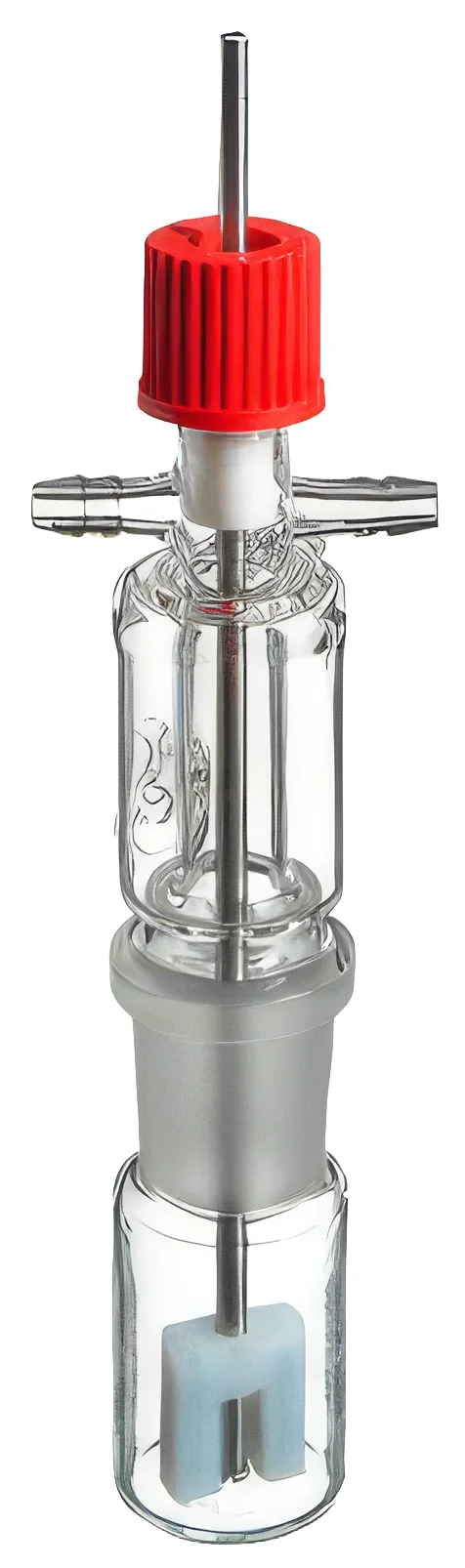
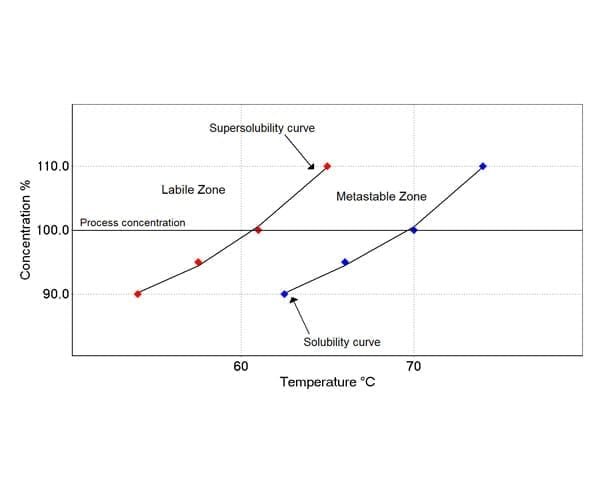
Up to eight independently controlled reactors, 2 mL to 500 mL, −60 to +200 °C, with automated stirring, heating, cooling and dosing. Solubility curves and metastable zone width for multiple conditions in a single run.
Read more ↓CrystalEYES — crystallisation monitoring
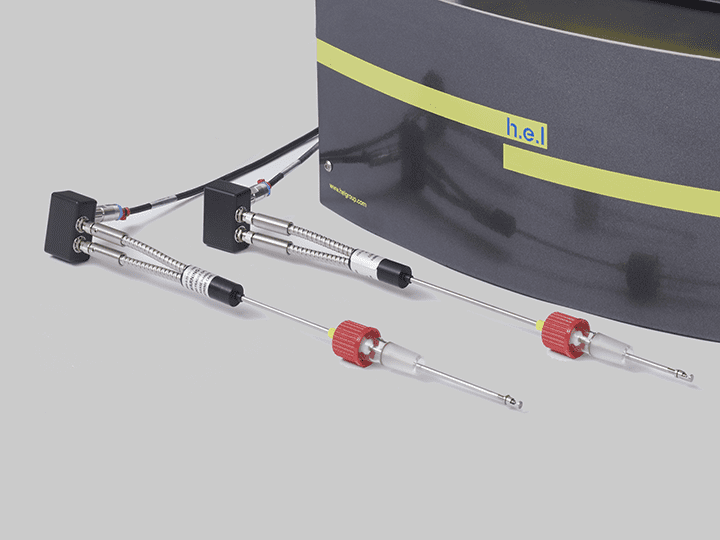
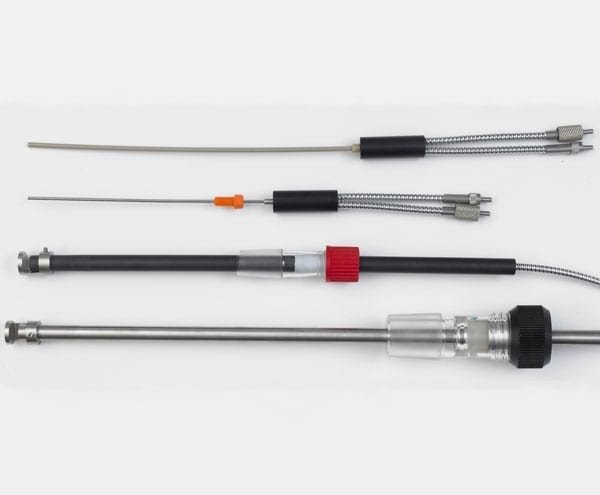
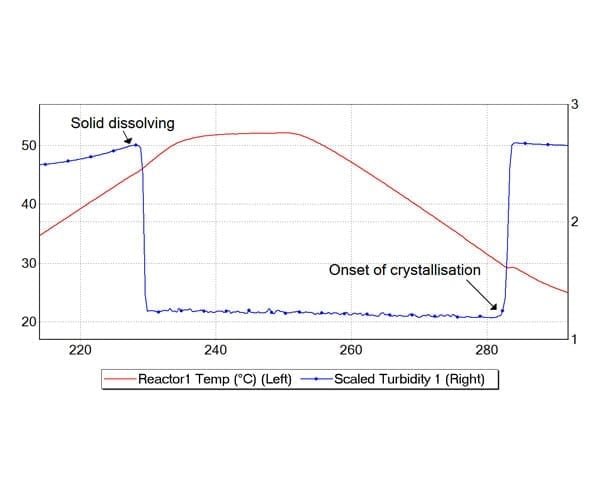
Turbidity and temperature (optional pH) measured in real time, detecting dissolution and nucleation points. 5 mm NIR probes scale from a 3 mL test tube to vessels over 10 L — change the probe, not the electronics.
Read more ↓CrystalSCAN — solubility and metastable zone width, eight samples at a time
CrystalSCAN is an automated parallel crystallisation reactor system for solubility-curve determination and metastable zone width analysis. Equipped with CrystalEYES probes, it detects dissolution and nucleation in real time across every reactor, so a screen that would otherwise run one condition at a time produces a full picture in a single run. Every system is fully customisable to your requirements.
What the platform does
- A fully automated unit for small-scale evaluation of multiple solvents and samples in parallel, giving reliable solubility data
- Automatically generates the metastable zone width (MSZW) and solubility curve in multiple reactors
- Controlled ramp rates give repeatable results — solubility and recrystallisation points from a single heat/cool cycle
- Cyclic dilution after each heat/cool cycle reveals the MSZW across a range of concentrations in one unattended run
- A high-throughput platform typically configured with eight independently controlled reactors, for simultaneous small-scale experiments across multiple conditions in one streamlined run
- Each reactor carries CrystalEYES monitoring for accurate, real-time detection of dissolution and nucleation — precise solubility curves and metastable zone width
- Independent temperature control per sample, each with its own sensor and controller, giving over 100 °C of range between samples at any one time
- Automated stirring, heating, cooling and liquid dosing through integrated syringe pumps — consistent, repeatable conditions with less manual intervention
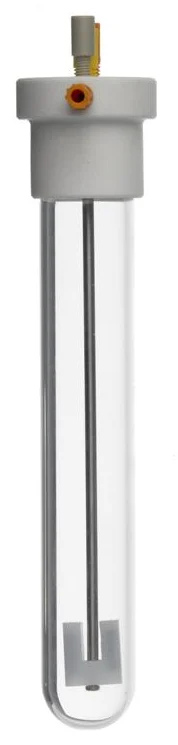
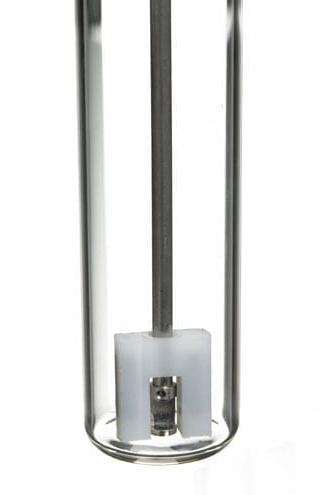
- Independent magnetic stirring per zone with individual magnets and motors; magnetic fleas, suspended mechanical or overhead drives, and a stirrer design that prevents crystal damage — a mechanical stirrer raised off the base, with the turbidity probe as the shaft
- Interchangeable vessels — HPLC vials, test tubes, reaction tubes, flat-bottom flasks, and custom or high-pressure vessels from 1 mL to 500 mL
- Optional quick-connect manifold and block for condensing and inerting in the larger reactors
- All data captured within a single system for efficient comparison across experiments, in a compact footprint — built on H.E.L’s multi-reactor PolyBLOCK platform
What the data looks like
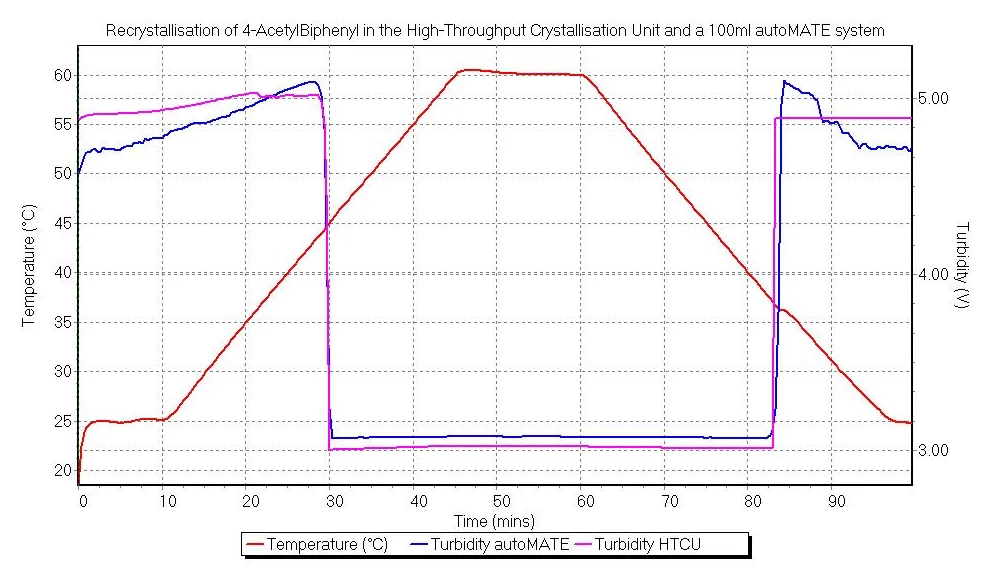
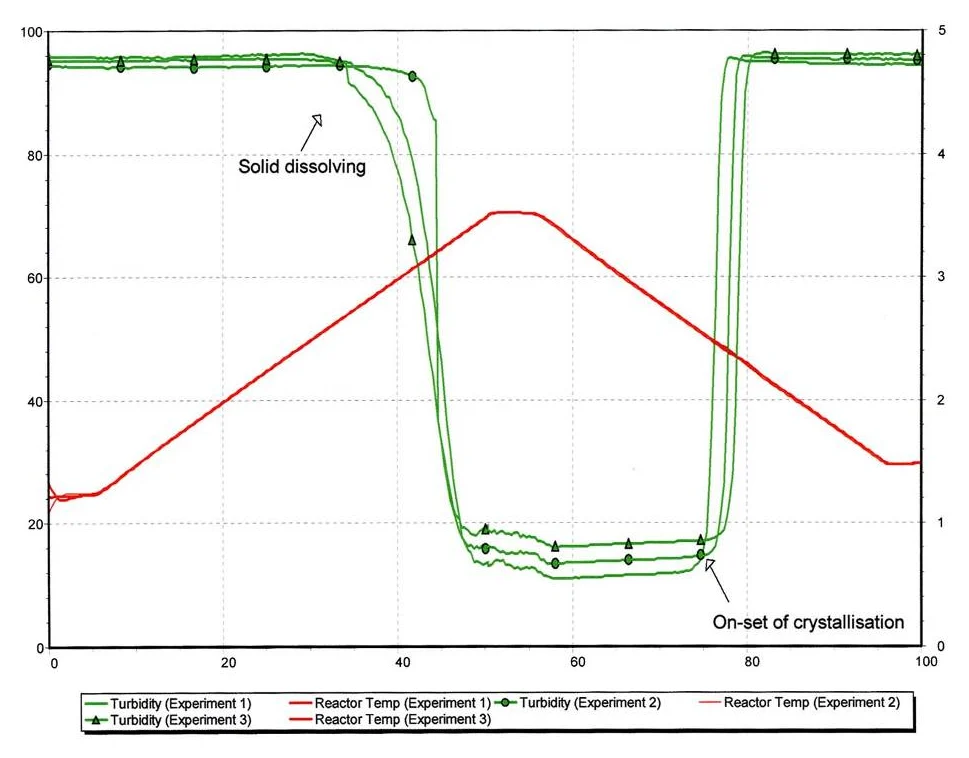
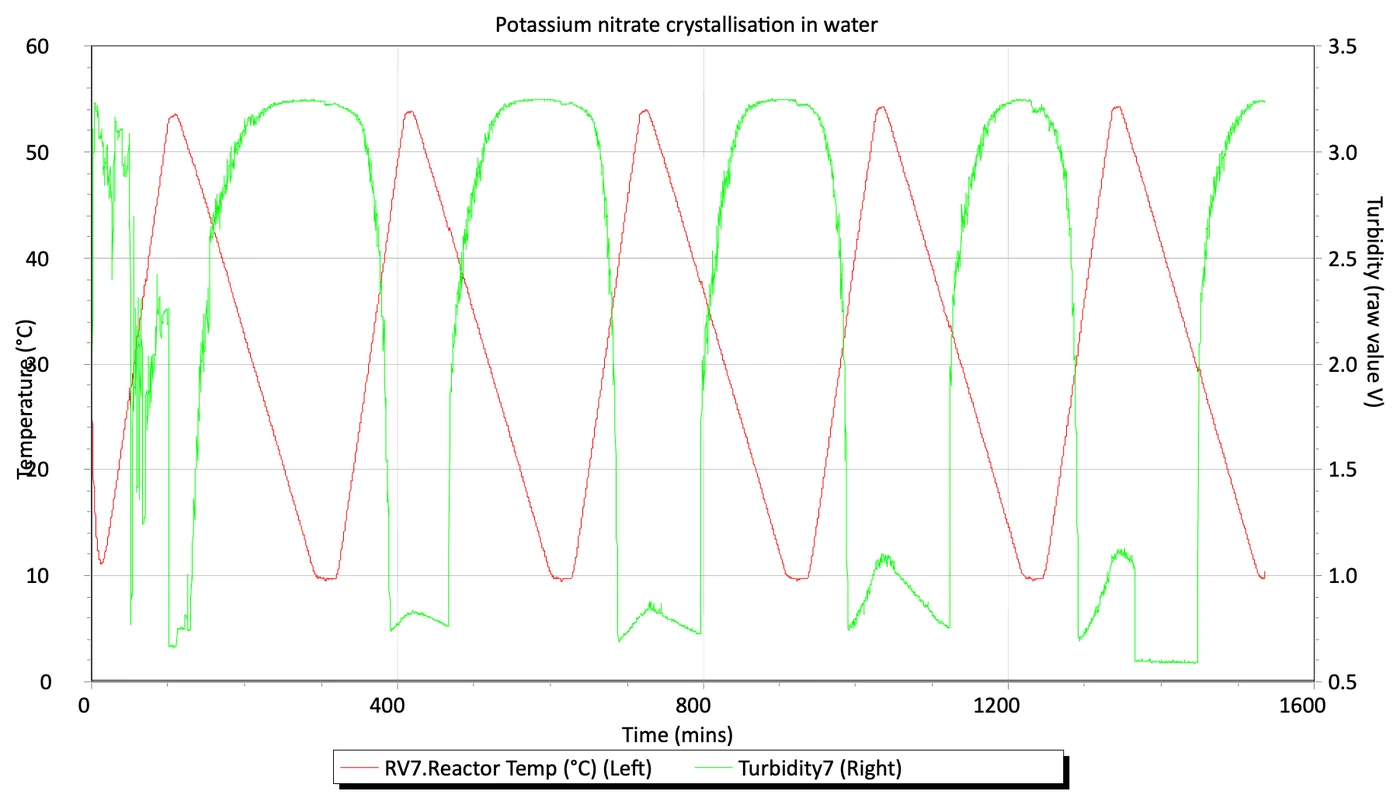
Specifications
| Specification | CrystalSCAN |
|---|---|
| Reactors | 8 samples in parallel (up to 120 mL); 4-sample version optional (up to 500 mL) |
| Sample volumes | Interchangeable, 2 mL to 500 mL |
| Temperature range | −60 °C (circulator-dependent) to +200 °C |
| Temperature control | Independent per sample — each has its own sensor and controller (>100 °C range at any time) |
| Measurement | Accurate solubility & MSZW data; works in clear and dark / coloured solutions without set-up change |
| Monitoring | Proprietary CrystalEYES NIR turbidity probes + WinISO software |
| Agitation | Independent magnetic stirring per zone (individual magnets & motors); magnetic fleas, suspended mechanical, or overhead (high-speed / high-torque) |
| Reactor vessels | HPLC vials, test tubes, reaction tubes, flat-bottom flasks, custom & high-pressure vessels — working volumes 1 mL to 500 mL |
| Reflux / inerting | Optional quick-connect manifold & block for condensing and inerting in larger reactors |
| Automation | Automated dilution / solvent addition via integrated syringe pumps |
| Platform | Built on H.E.L’s multi-reactor PolyBLOCK platform |
Reactor count, sample volumes, vessels and agitation are all configured to your workflow. Final values confirmed on specification.
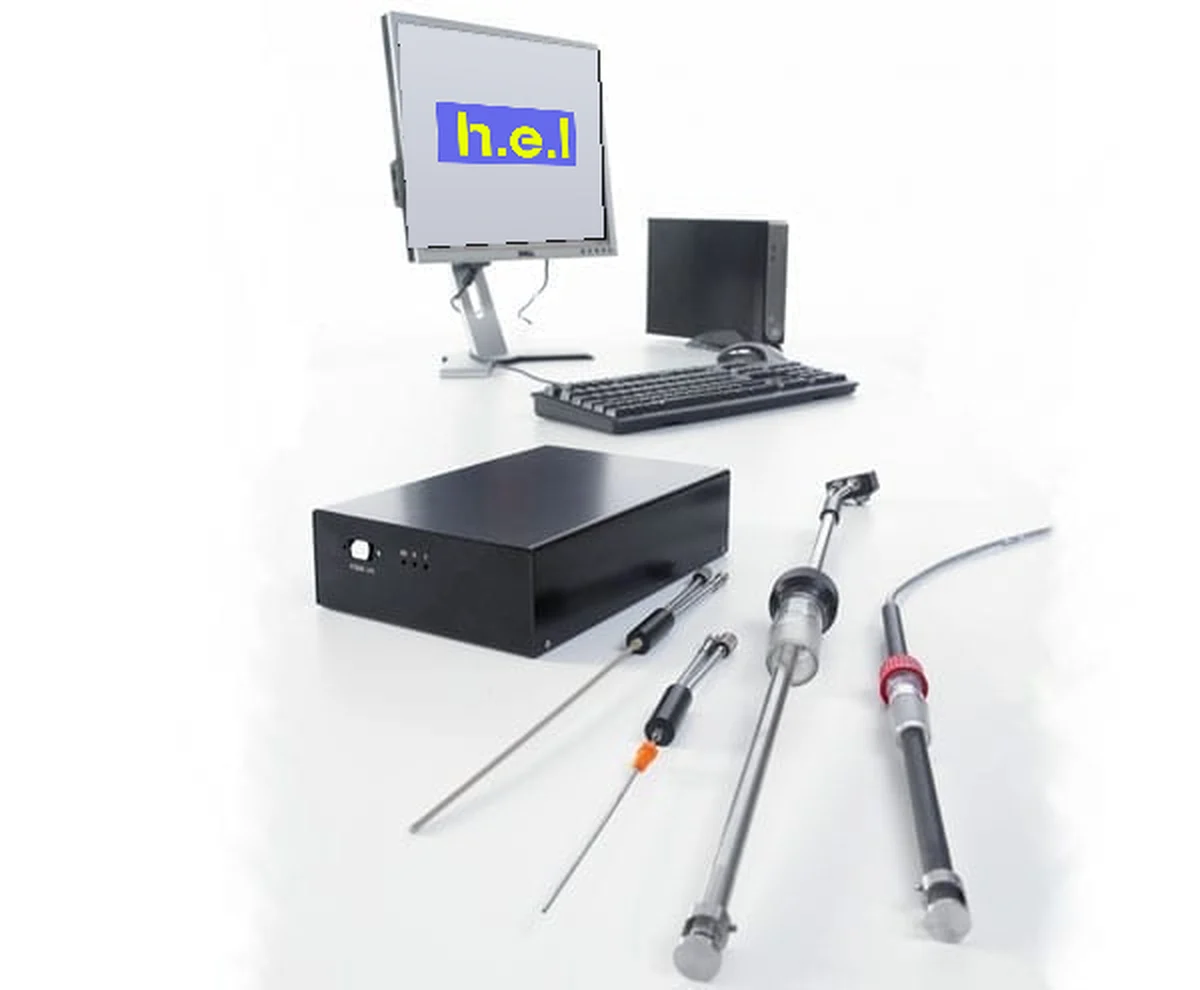
CrystalEYES — watching dissolution and nucleation as they happen
Crystallisation determines the quality, performance and manufacturability of a chemical or pharmaceutical product, and most of what matters happens in the moments either side of nucleation. CrystalEYES measures turbidity, temperature and optionally pH in real time, so those points are observed rather than inferred — in a single flask on the bench, or in eight reactors at once inside a CrystalSCAN. Every system is fully customisable to your requirements.
What the system does
- Measures turbidity and temperature as standard, with optional pH monitoring, for a comprehensive real-time view of the crystallisation
- Real-time identification of dissolution and nucleation events — solubility and recrystallisation points read directly from sharp changes in signal
- A Near-Infrared source sends light through the solution and back to a detector via a mirror: as particles increase, intensity drops and turbidity rises
- Measures equally well in clear or dark and coloured solutions, with no change of set-up
- Probe options from roughly 3 mL test tubes to vessels over 10 L — scaling between applications needs only a probe change, not new electronics or software
- Probes in 316 stainless steel and Hastelloy for chemical compatibility, and just 5 mm in diameter so they suit the smallest vessels
- Upgradeable from monitoring to full process control — heating, cooling, stirring and liquid dosing — with multi-channel configurations for several reactors at once
- Automatic CSV logging, real-time graphical display and one-click export to Excel through WinISO Control software
Specifications
| Specification | CrystalEYES |
|---|---|
| Measured parameters | Turbidity and temperature (standard); optional pH monitoring |
| Detection | Real-time dissolution and nucleation — solubility & recrystallisation points |
| Probe scale range | ~3 mL test tubes to >10 L vessels — scale with a probe change only |
| Probe materials | 316 stainless steel and Hastelloy (excellent chemical compatibility) |
| Probe diameter | 5 mm — usable in the smallest vessels; up to 8 probes on CrystalSCAN |
| Max temperature / pressure | 200 °C; MWP 10 bar at 25 °C |
| Sensing technology | H.E.L proprietary Near-Infrared (NIR) turbidity sensors |
| Data handling | Automatic CSV logging, real-time graphical display, one-click export to Excel |
| Control & software | Optional full process control (heat / cool / stir / dose) and multi-channel operation; WinISO Control software |
Turbidity and temperature probes are chosen specifically for your application and vessel. Final values confirmed on specification.
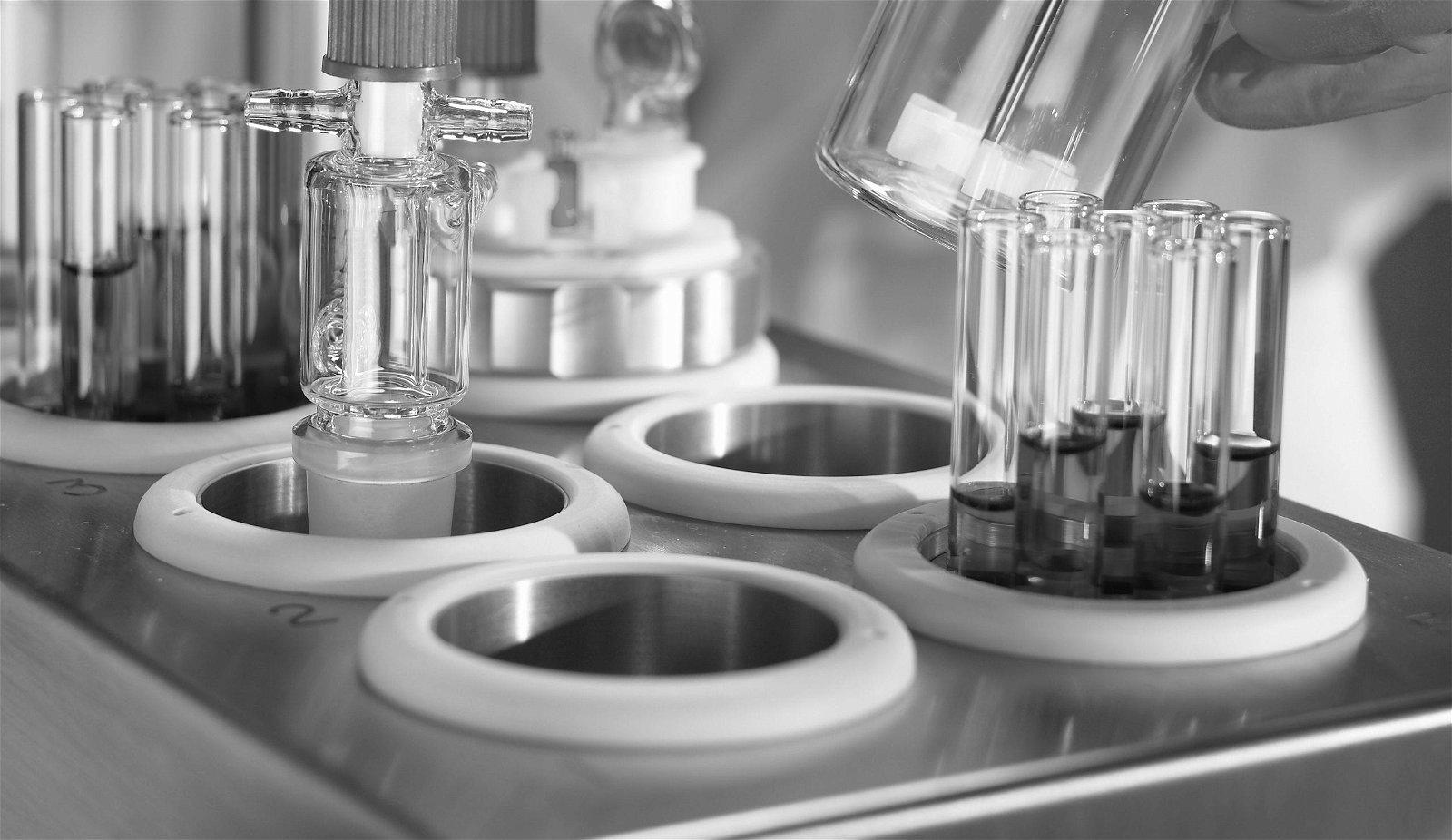
One probe technology, from a single test tube to eight reactors at once.
The same NIR turbidity measurement, the same WinISO software and the same method — whichever scale you are working at.
Configure it your way
Every crystallisation system is specified around your compound and your vessels — probes, sample sizes, agitation and automation are chosen for the work you actually do.
Probes & scale
5 mm NIR turbidity probes in 316 stainless steel or Hastelloy, for vessels from roughly 3 mL to over 10 L. Scaling between applications is a probe change — the electronics and software do not alter.
Vessels & volumes
HPLC vials, test tubes, reaction tubes, flat-bottom flasks and custom or high-pressure vessels, with working volumes from 1 mL to 500 mL and a 4-sample option for the larger end.
Automation & control
Automated stirring, heating, cooling and dilution or solvent addition through integrated syringe pumps, with independent temperature control and its own sensor for every sample.
Data & software
WinISO Control software with real-time graphical display, automatic CSV logging and one-click export to Excel — plus optional pH monitoring and multi-channel operation.
Frequently asked questions
Do I need CrystalSCAN or CrystalEYES?
What is metastable zone width, and why does it matter?
How does the measurement actually work?
How many samples can CrystalSCAN run at once?
What scales does CrystalEYES cover?
Can it control the crystallisation, or only watch it?
Is it customisable to my chemistry?
Selected publications
H.E.L crystallisation systems feature in many peer-reviewed studies — these are just six. Subscription or purchase may be required for full access. View all publications →
Related reading
Ready to see your crystallisation in real time?
Talk to a specialist about probe options, reactor configuration and sample sizes for your compound.
“I use a H.E.L turbidity probe plus temperature probe for the determination of metastable zone widths… The system is easy to use and very robust and records faithfully all the happenings… The probes are neat and so can be used in small vessels, an advantage when dealing with valuable compounds.”